
Intuitive interfaces that
keep users engaged and convert
User research, wireframes, interactive prototypes, and design systems that reduce friction and turn visitors into customers.
Research led design.
Every screen built to convert.
We don't guess what users want, we research it, design for it, and validate it with real prototypes before a single line of code is written.
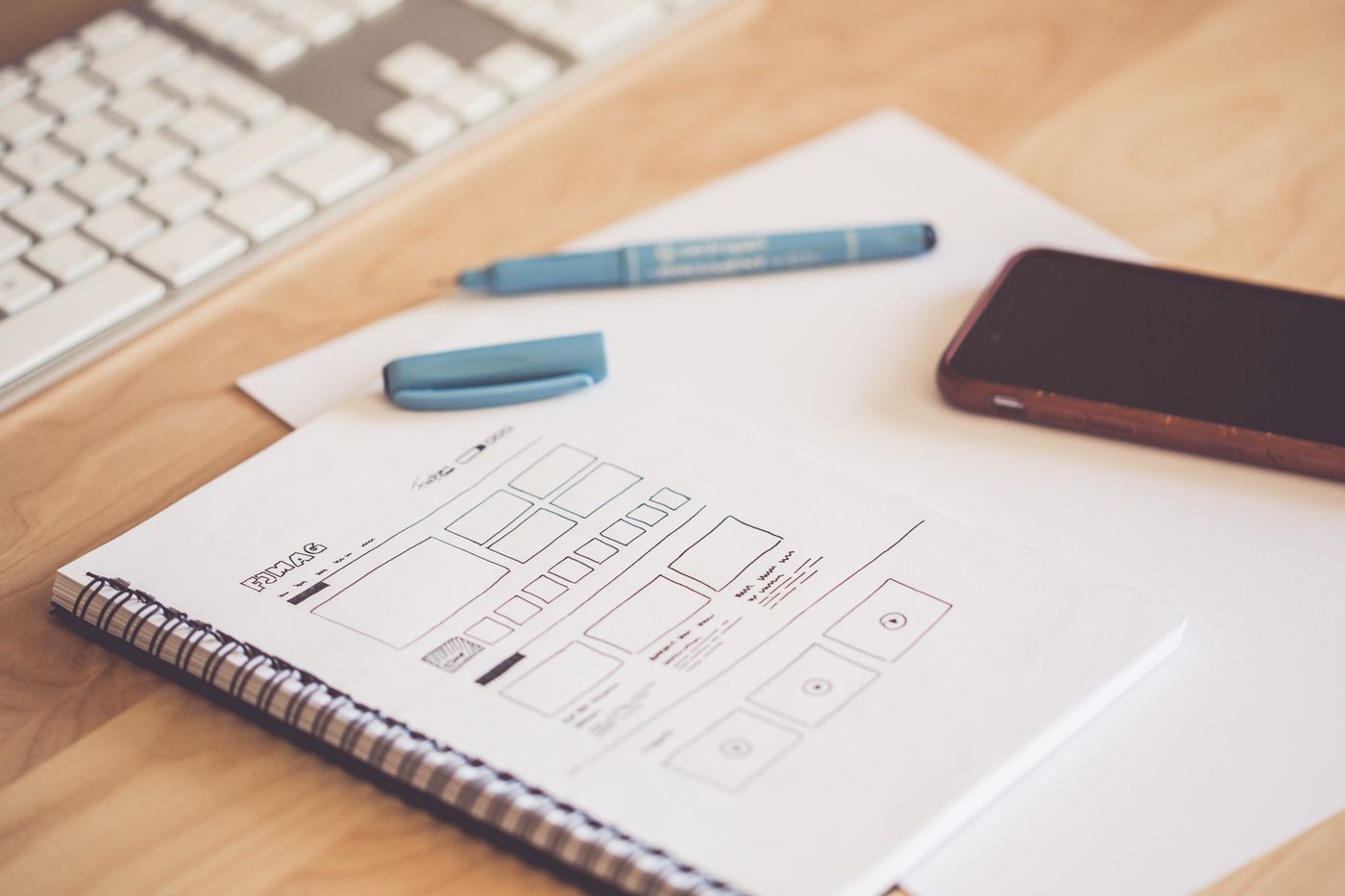
User Research & Wireframes
We study your audience, their goals, and pain points, then translate findings into low fidelity wireframes that map out a clear, frictionless user journey.
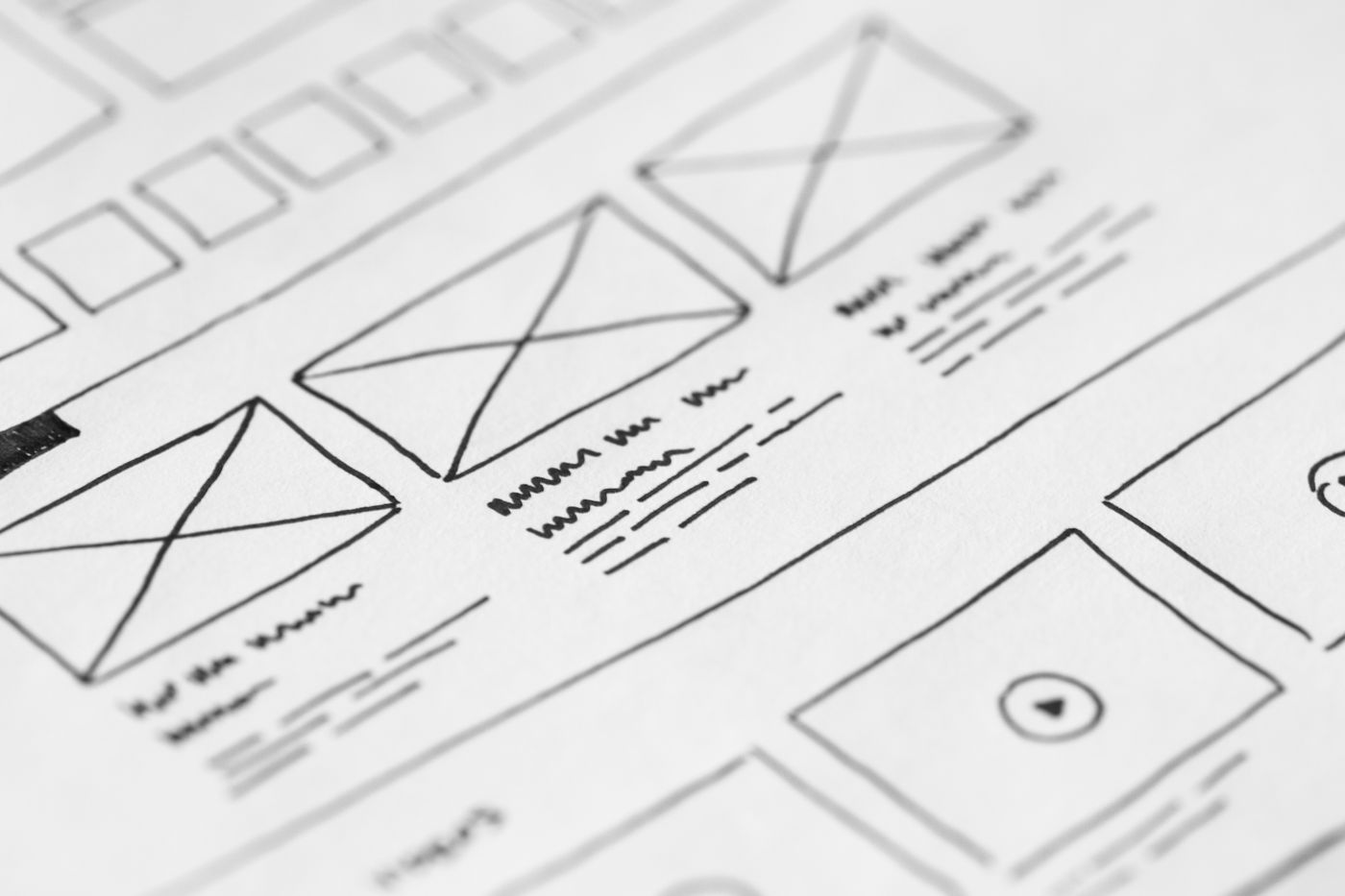
Interactive Prototypes
Clickable Figma prototypes that simulate the real product, letting you test flows and gather feedback before development begins.
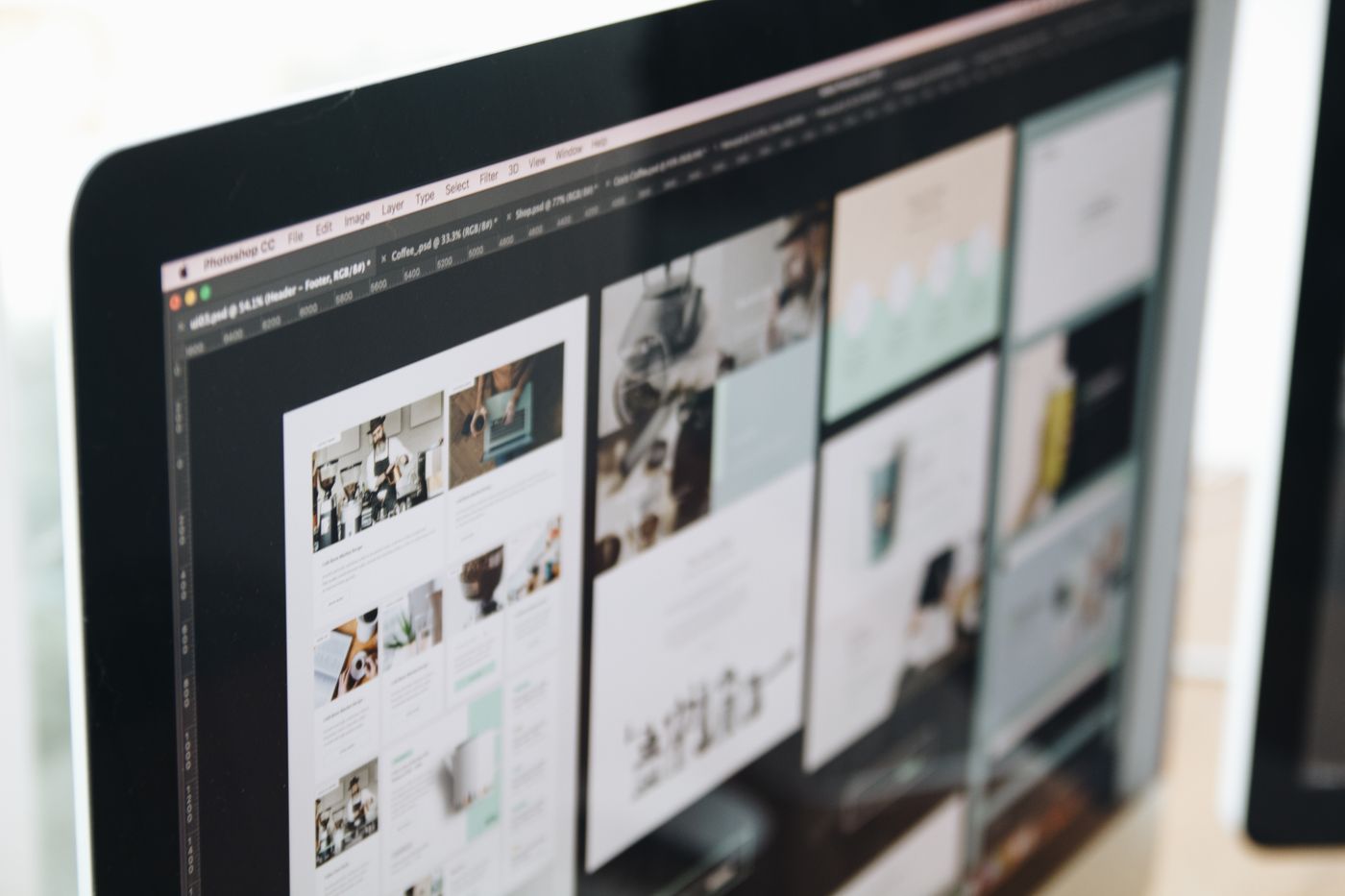
Design Systems & Style Guides
Reusable component libraries, colour palettes, and typography rules that keep every screen consistent as your product scales.
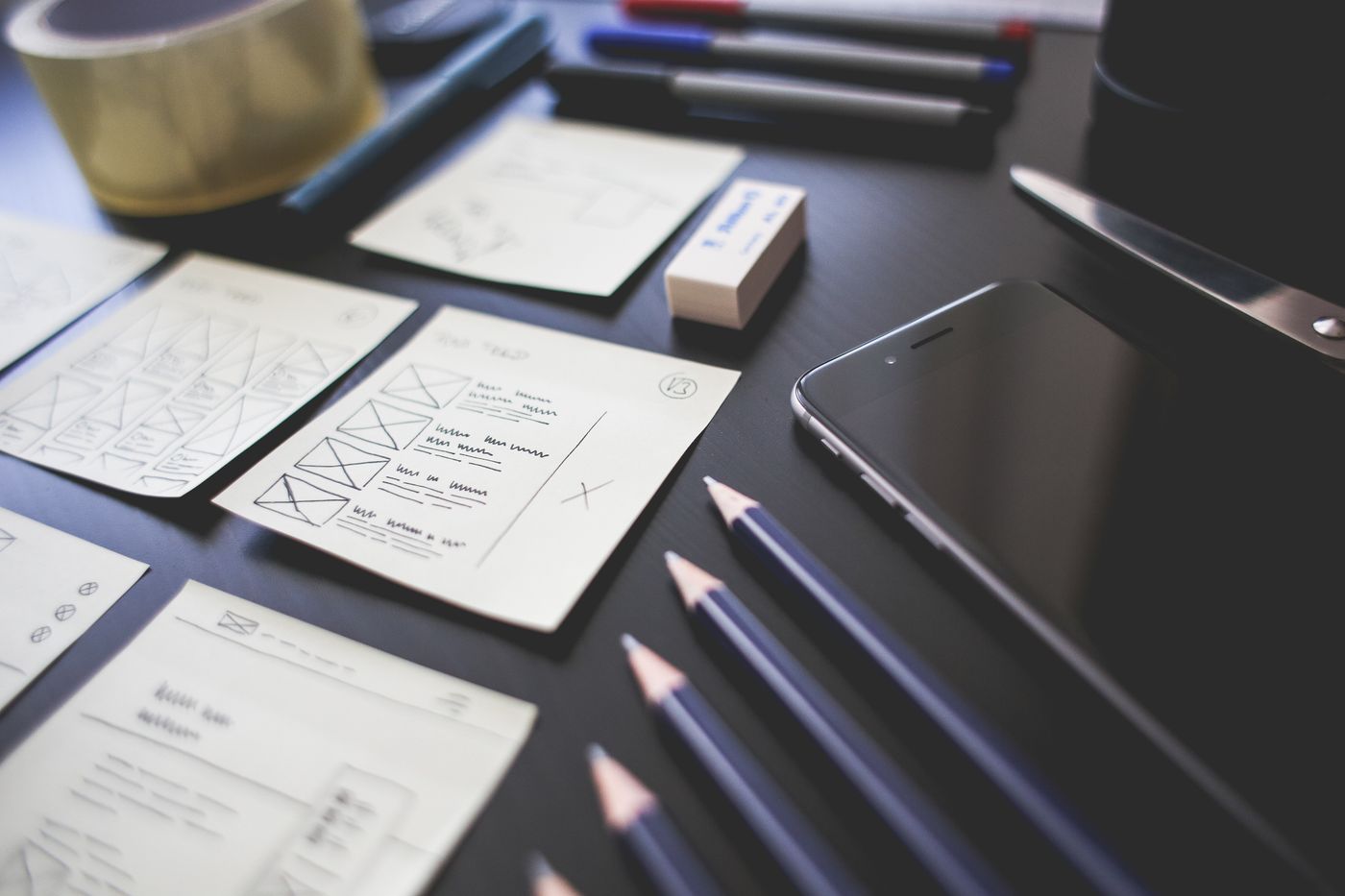
Usability Testing
Real user testing sessions to validate flows, uncover friction points, and refine the design before it ever reaches development.
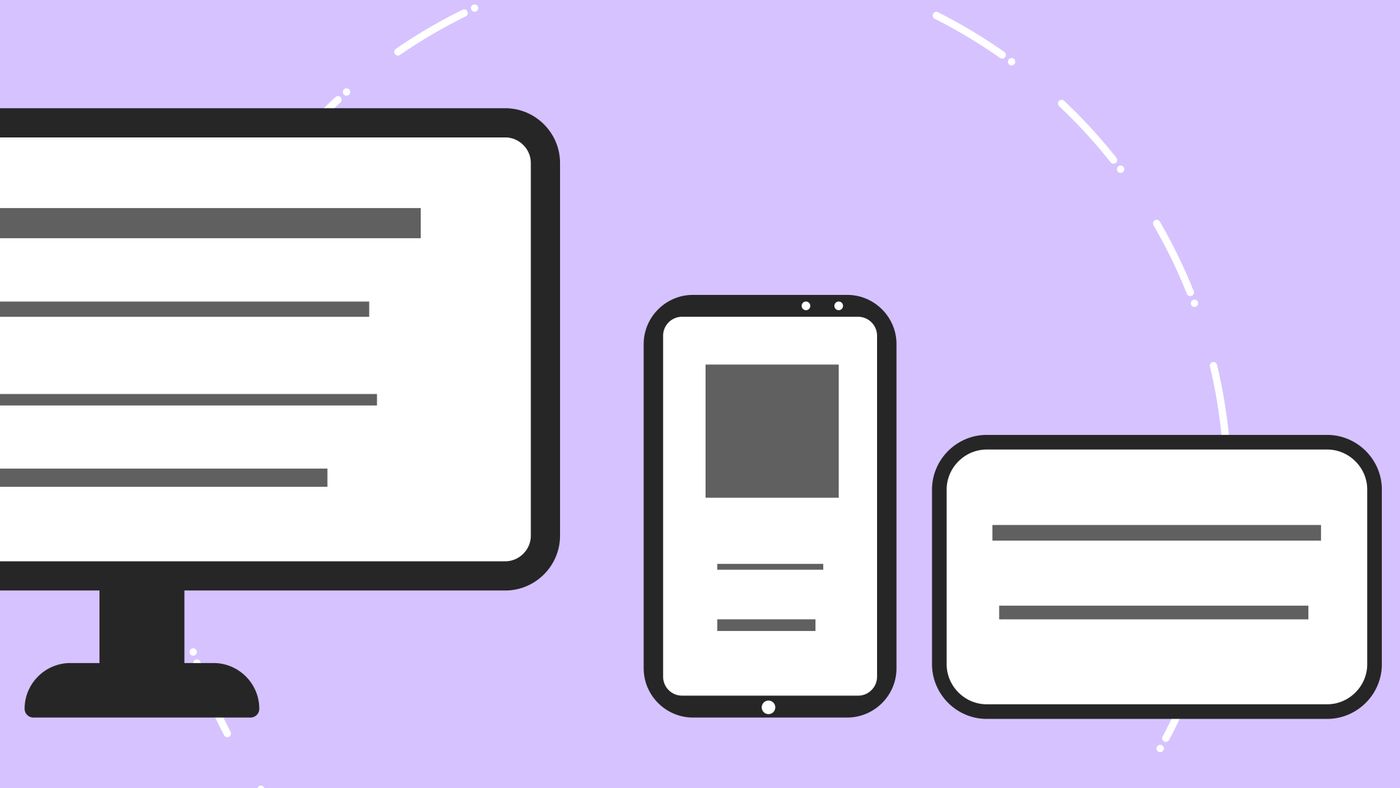
Accessibility First UI
Designs built to WCAG guidelines, readable contrast, keyboard navigation, and screen reader friendly structure for every user.
Design that goes beyond aesthetics, built to convert
Every wireframe, prototype, and interaction is intentional, designed to guide users towards the action that matters most to your business.
User Centric Strategy
Research backed designs that understand your audience, their goals, and the journey they take from first visit to conversion.
Mobile First Approach
Every design starts on mobile and scales up beautifully, because over 60% of your visitors are on a smartphone.
100% Custom, No Templates
Every interface is built from scratch to reflect your unique brand identity, values, and business objectives.
Validated, Not Guessed
Prototypes are tested with real users before handoff, so design decisions are backed by evidence, not opinion.
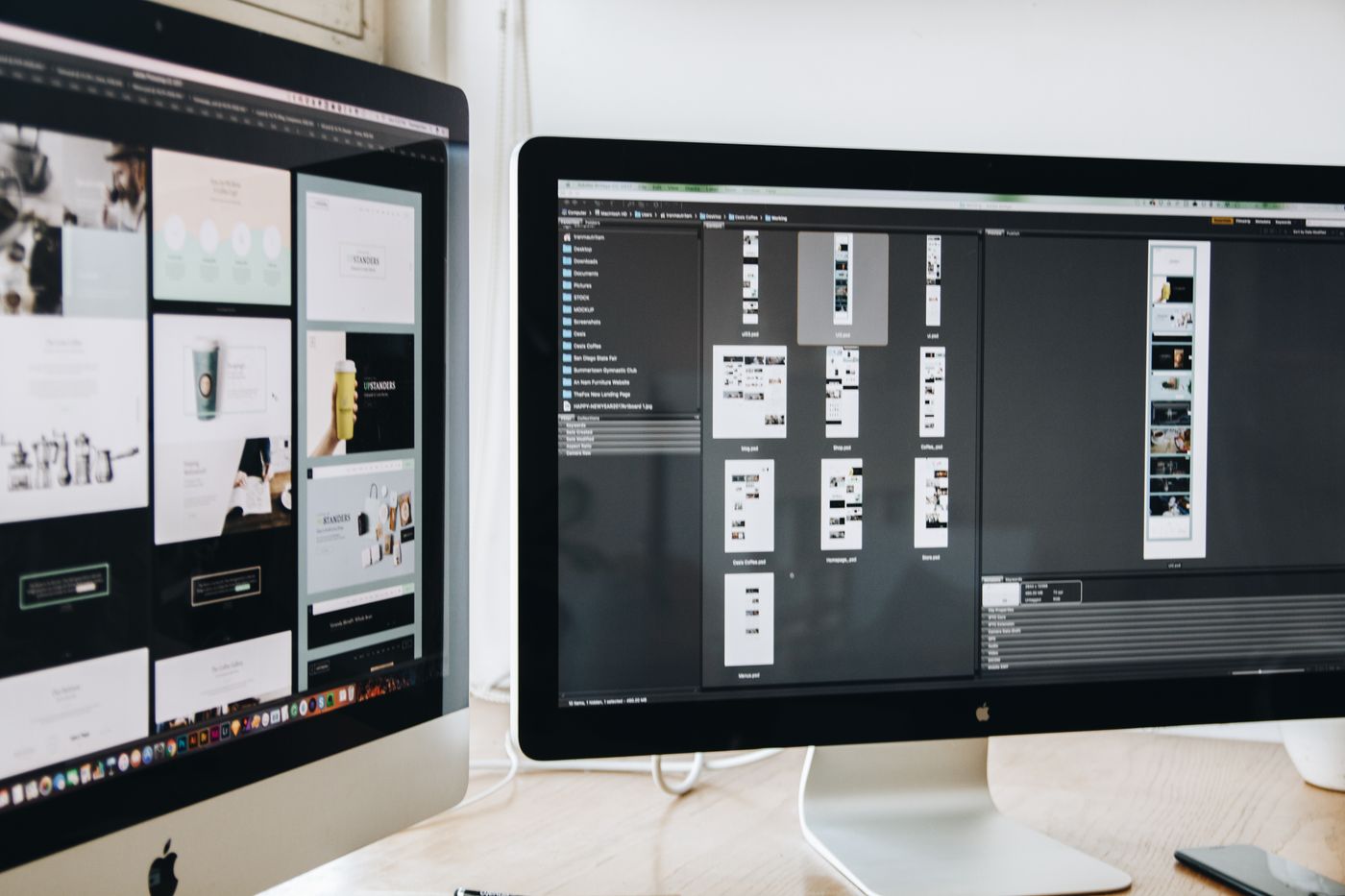
A structured UI/UX process from research to handoff
Great UX is not accidental, it follows a clear, collaborative process grounded in research and validated with real users at every stage.
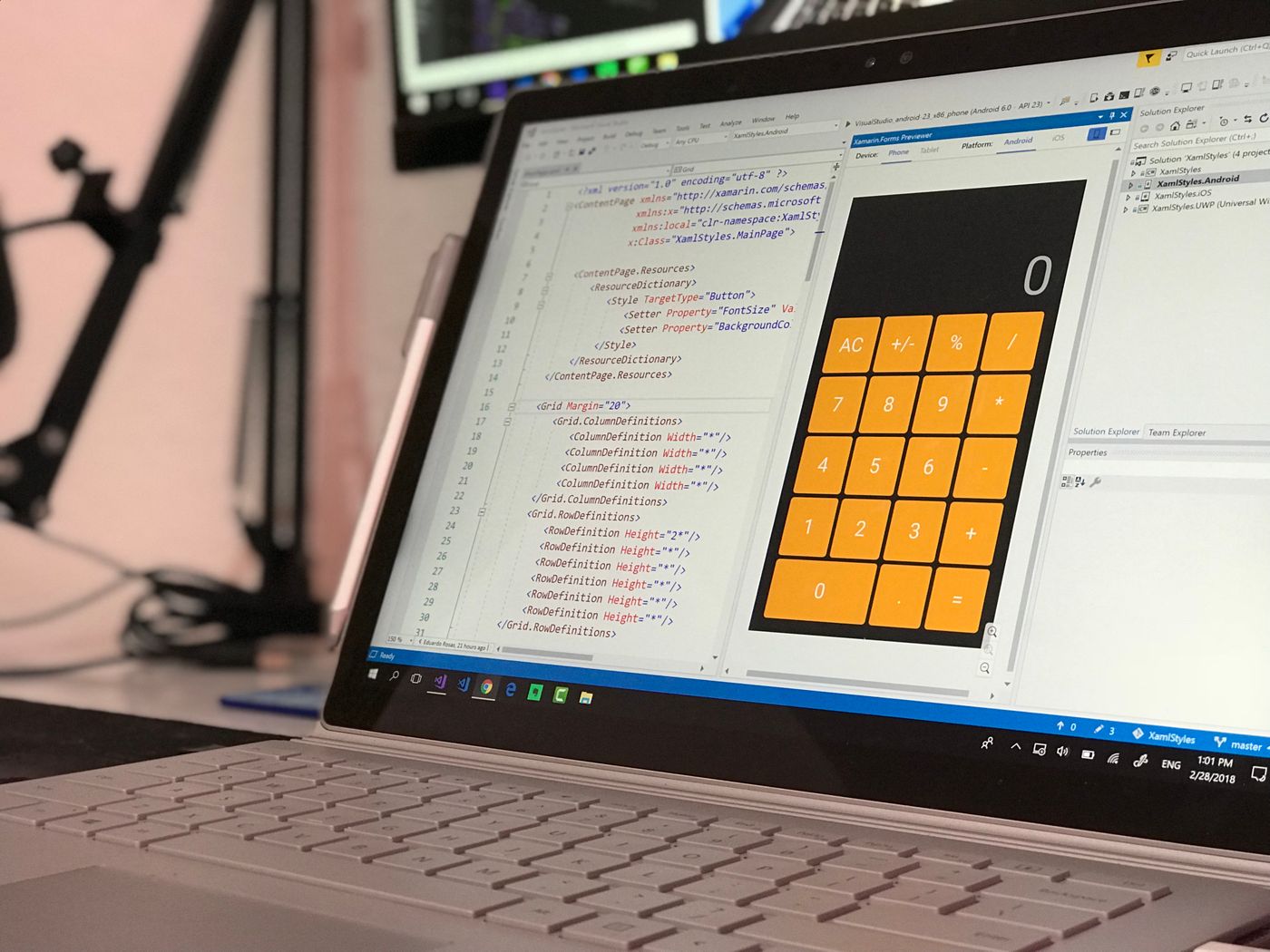
Research, Wireframe, Prototype, Test
Understand your users, goals, and competitors
User interviews, competitor audits, and a review of analytics data to uncover what's working and what's causing friction.
Map out the user journey and page layouts
Low fidelity wireframes and user flow diagrams establish the structure and logic of every screen before visual design begins.
Build interactive, clickable prototypes
High fidelity Figma prototypes that simulate real interactions, ready for stakeholder review and usability testing.
Validate with users, then deliver dev ready files
Usability testing refines the design, then a fully documented Figma file and design system is handed off to development.
UI/UX Design, Frequently Asked Questions
Answers to the questions US & UK clients ask us most.
What's the difference between UI design and UX design?
UX design is the research and structure behind a product, user personas, journey maps, and wireframes that define how it should work. UI design is the visual layer built on top, colours, typography, and components. We handle both, starting with research so the visuals are never just decoration.
Do you build wireframes and prototypes before the final design?
Yes. Every project starts with low fidelity wireframes that map the user journey and information architecture, then moves into high fidelity, clickable Figma prototypes. This lets you test flows and gather feedback before a single line of code is written.
Do you run usability testing on the designs?
Yes. We run real user testing sessions on our interactive prototypes to uncover friction points and validate flows before handoff to development, so design decisions are backed by evidence rather than opinion.
What is a design system and do I need one?
A design system is a reusable library of components, colour palettes, and typography rules that keeps every screen consistent as your product grows. It's especially valuable if you have multiple pages or plan to keep adding features, since it speeds up future design and development work.
How does UI/UX design improve conversions?
Every wireframe, prototype, and interaction we design is built to reduce friction and guide users toward the action that matters, whether that's a purchase, a signup, or a contact form. Research backed, tested design consistently outperforms designs built on guesswork.